
Tanzanian Food Guide: Regional Dishes and Dining Tips
Posted on 1/20/2025 by Tanzania eVisa Immigration Assistance Service
Updated on 8/10/2026
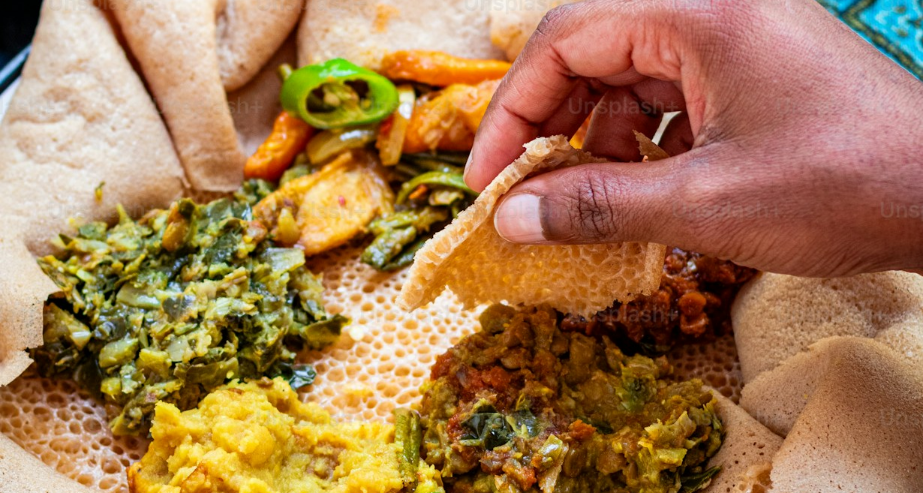
Tanzanian food changes with geography. Coastal and Zanzibar cooking often uses coconut, seafood and aromatic spices; northern and inland meals commonly center on maize, beans, bananas, meat and vegetables; communities around the major lakes make extensive use of freshwater fish. The most useful way to explore the cuisine is to ask what is local and in season rather than chase one nationwide “must-eat” list.
Quick guide to regional flavors
| Region | Foods and flavors to look for | Useful context |
|---|---|---|
| Zanzibar and the Swahili coast | Coconut-based curries, pilau, biryani, seafood, urojo, vitumbua | Seafood and spice combinations vary by cook and island |
| Northern highlands | Ugali, beans, grilled meat, banana-based dishes, leafy vegetables | Chagga and other local traditions are not represented by a single menu |
| Lake Zone | Fresh, fried or dried fish, ugali, cassava and vegetables | Fish names can refer to local species or preparation styles; ask the vendor |
| Central and southern regions | Maize, beans, rice, groundnuts, greens and meat stews | Availability reflects local agriculture and season |
| Cities and safari lodges | Tanzanian dishes alongside Indian, Arab and international influences | Lodge food may be adapted for visitors rather than representative of home cooking |
Zanzibar and coastal Swahili food
Centuries of Indian Ocean trade shaped coastal cooking, but “Swahili food” is not one fixed recipe book. Coconut milk, cloves, cardamom, cinnamon, tamarind and fresh seafood appear in many dishes, with local and household variations.
Dishes worth recognizing
- Urojo or Zanzibar mix: A savory, tangy soup assembled with fritters, potatoes, chutneys and other toppings.
- Pweza wa nazi: Octopus cooked with coconut; preparation and spice level vary.
- Pilau: Rice cooked with a blend of warm spices, sometimes with meat or vegetables.
- Biryani: Layered or seasoned rice served with meat, fish or vegetables; distinct cooks use different techniques.
- Vitumbua: Small rice-based cakes, often made with coconut and eaten at breakfast or as a snack.
- Zanzibar pizza: A filled, pan-cooked street-food parcel that may be savory or sweet; it is unlike an Italian pizza.
Forodhani Gardens can be a convenient place to sample several foods in one evening, but it is not the only place to eat in Stone Town. Look for busy stalls, food cooked to order and clearly displayed prices. Our Zanzibar beach guide helps compare island bases beyond Stone Town.
Dar es Salaam, Bagamoyo and Tanga
Mainland coastal cities combine Swahili, South Asian and other influences. Common choices include fish curry, grilled seafood, biryani, pilau, chapati, mishkaki and fried snacks.
- Mchuzi wa samaki: Fish in a sauce that may use tomato, coconut or both.
- Samaki wa kupaka: Grilled fish finished with a seasoned coconut sauce.
- Mishkaki: Small pieces of marinated meat cooked on skewers.
- Kachumbari: A fresh tomato-and-onion salad, often served beside grilled dishes.
At fish markets, establish the price, portion and cooking charge before ordering. Seafood names and pricing methods can differ between vendors.
Northern Tanzania and the highlands
The safari gateway cities of Arusha and Moshi offer both local restaurants and visitor-oriented dining. Farther from the tourism centers, menus often reflect maize, beans, bananas, vegetables and livestock raised in the region.
- Ugali: A firm maize staple served with a vegetable, bean, fish or meat dish.
- Nyama choma: Grilled meat, commonly ordered for a group and eaten with sides.
- Ndizi na nyama: Green bananas cooked with meat; ingredients and texture differ by household.
- Maharage: Beans prepared in many forms, sometimes with coconut depending on the area.
- Mchicha: A broad term used for cooked leafy greens; the exact greens and sauce vary.
Do not assume every “traditional” dish on a lodge buffet belongs equally to every northern community. Ask guides or hosts about the local name and context.
Lake Zone foods
Communities around Lake Victoria, Lake Tanganyika and other lakes use different fish and cooking traditions. Grilled or fried fish may be served with ugali, rice, cassava or vegetables. Dagaa refers to small fish that are often dried before being cooked or sold.
Fish naming can be confusing in translation. If species choice matters for dietary, sustainability or allergy reasons, ask for the local name and preparation rather than relying only on an English menu label.
Central and southern Tanzania
Staples often include maize, rice, beans, groundnuts and leafy vegetables, while the Southern Highlands also produce potatoes, tea, coffee and other crops.
- Makande: Maize and beans cooked together into a filling dish.
- Kisamvu: Cassava leaves cooked into a stew; recipes may include coconut or groundnuts.
- Wali na maharage: Rice and beans, a straightforward and widely available combination.
- Kuku wa kupaka: Chicken with a coconut-based sauce, more strongly associated with coastal traditions but available elsewhere.
Regional boundaries are porous. A dish sold in Dodoma, Mbeya or Dar es Salaam may have moved with families, trade and urban life, so treat these groupings as a travel guide rather than strict ownership labels.
How to order and eat respectfully
- Greet staff before ordering and ask questions politely.
- If food is shared, observe the host's lead on serving and handwashing.
- When eating with the hand, the right hand is the customary default in many settings.
- Ask before photographing cooks, diners or market vendors.
- Clarify whether service is included before deciding on a tip; there is no single percentage rule for every restaurant.
- Tell staff about allergies in clear, specific terms. Cross-contact may be difficult to control in small kitchens.
Useful Swahili phrases include asante (thank you), tafadhali (please) and bila... (without...). A translation saved on your phone can help explain a serious allergy, but travelers with high-risk allergies should also plan with their accommodation or operator in advance.
Food and water precautions
No category of food is automatically safe or unsafe. Focus on handling and preparation:
- Choose food that is freshly cooked and served hot.
- Use drinking water from a source you trust.
- Prefer busy vendors with good turnover and clean preparation areas.
- Check how raw salads, fruit and ice were prepared if water quality is uncertain.
- Wash or sanitize hands before eating.
- Seek professional medical advice for persistent or severe illness.
“Avoid all street food” is not useful guidance, but neither is assuming a popular stall removes all risk. Apply the same hygiene judgment you would use elsewhere.
Plan a food-focused route
A practical itinerary could combine Stone Town for Swahili and Zanzibar street food, a coastal or Dar es Salaam stop, and a northern safari gateway such as Arusha or Moshi. Do not add long transfers solely to try one dish; local restaurants in major cities often represent several regions.
Before travel, check the best time to visit Tanzania, review the currency and payment guide, and confirm your nationality's Tanzania visa requirement. Visa-exempt and referral cases follow different paths, so food-trip planning should not begin with the assumption that everyone needs an eVisa.
Frequently asked questions
Is Tanzanian food very spicy?
Not always. “Spiced” and “hot with chili” are different. Coastal rice and curry dishes may be aromatic without being very hot, while chili sauces can be added separately. Ask before ordering if heat level matters.
Are vegetarian meals easy to find?
Beans, rice, ugali, vegetables and fruit are widely used, but stocks or sauces may contain meat or fish. Explain whether you avoid the ingredient itself, broth and shared cooking surfaces.
Can I pay by card at restaurants?
Card acceptance is more common at larger hotels and established restaurants, but terminals may be offline and surcharges can apply. Carry a backup payment method and confirm before ordering.
Is Zanzibar food the same as mainland Tanzanian food?
There is overlap, especially along the coast, but Zanzibar has its own island history and food traditions. Inland regions and individual ethnic communities add many other staples and techniques.
Content reviewed: 10 August 2026. Menus, businesses and local availability change, so this guide emphasizes dishes and decision criteria rather than a fixed restaurant ranking.